Occupational Hygiene Services Across Alberta
-

Occupational Hygiene Services
We conduct comprehensive evaluation and testing of workplaces for physical, biological, and chemical contaminants, including noise, radiation, mould, bacteria, Volatile Organic Compounds (VOCs), and more. Our services help you ensure compliance with applicable legislation, standards, and best practices.
-
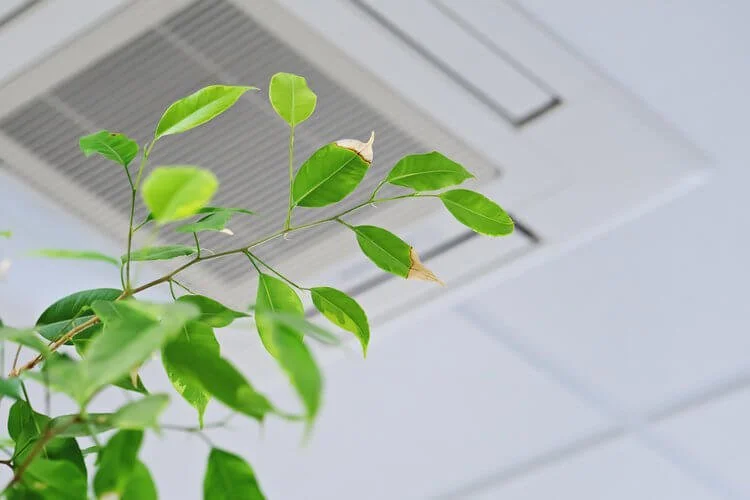
Indoor Air Quality Testing
We evaluate general indoor air quality parameters, including temperature, relative humidity, carbon monoxide (CO), carbon dioxide (CO2), Total Volatile Organic Compounds (TVOCs), and particulates. Our services are aligned with Health Canada and Alberta Occupational Health and Safety guidelines.
-

Occupational Noise Assessment
Don’t wait for an Alberta OHS inspection or a hearing loss claim. Ithaca Health helps your business achieve and maintain compliance with Alberta OHS legislation and CSA Standard Z107.56-18.
-
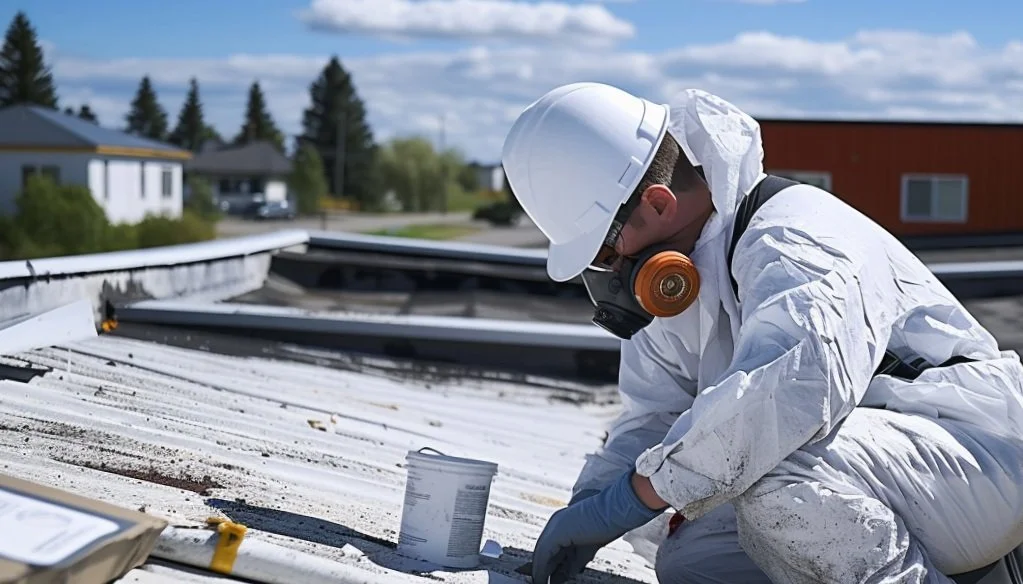
Hazardous Material Surveys
Our Hazardous Materials Surveys identify and record hazards in workplaces or other structures, such as asbestos, mould, lead, mercury, PCBs, Ozone-Depleting Substances, and more. We also conduct air or bulk testing for contaminants like asbestos, mould, and lead, providing thorough reports and recommendations for remediation.
-

LEED Certification
If you are pursuing LEED certification for your project, our team guides clients through the LEED certification Indoor Air Quality component with expertise and efficiency. Whether for new construction, renovation, or existing buildings, we provide tailored solutions to meet your project goals.
-

Abandoned Wells and Gas Plants
Decommissioning an abandoned well or plant is a complex undertaking, especially when it comes to managing hazardous materials. Ithaca Health Ltd. provides hazardous materials surveys for decommissioning projects throughout Alberta, British Columbia, and Saskatchewan.
Frequently Asked Questions
-
If workers may be exposed to a harmful substance, Section 21 of the Alberta OHS Code requires you to identify the health hazards and assess worker exposure. If that assessment shows exposure could exceed an occupational exposure limit (OEL), airborne concentrations should be measured using NIOSH methods or methods acceptable to an OHS Director.
-
An OEL is the maximum airborne concentration of a substance a worker may be exposed to over a set time. Alberta's OELs are listed in Schedule 1, Table 2 of the OHS Code. They are expressed as 8-hour averages, 15-minute averages, or ceiling limits that must never be exceeded. Exposures must also be kept as low as reasonably achievable.
-
Alberta's 8-hour OEL for respirable crystalline silica (quartz and cristobalite) is 0.025 mg/m³. For shifts longer than 8 hours, Alberta OHS has approved an adjusted limit. For example, the limit is 0.021 mg/m³ for schedules averaging 48 hours per week.
-
The OHS Code requires hazard assessments to be done by a competent person. Ithaca Health's assessments are carried out and interpreted by an occupational hygienist with an Master of Science in Occupational Hygiene. We use only calibrated equipment and accredited laboratories.
-
You'll get a written report listing each sample: date, worker or area sampled, tasks, results, and the applicable Alberta OEL. It includes a clear statement of compliance and practical recommendations for controls. Section 21 requires workers to be informed of measurement results, and the report is written to make that easy.
Call Us for a Free Phone Consultation & Estimate
When you call us, you'll connect directly with a Hygienist. No intermediaries or middlemen—just direct access to someone who knows exactly what they’re talking about.